
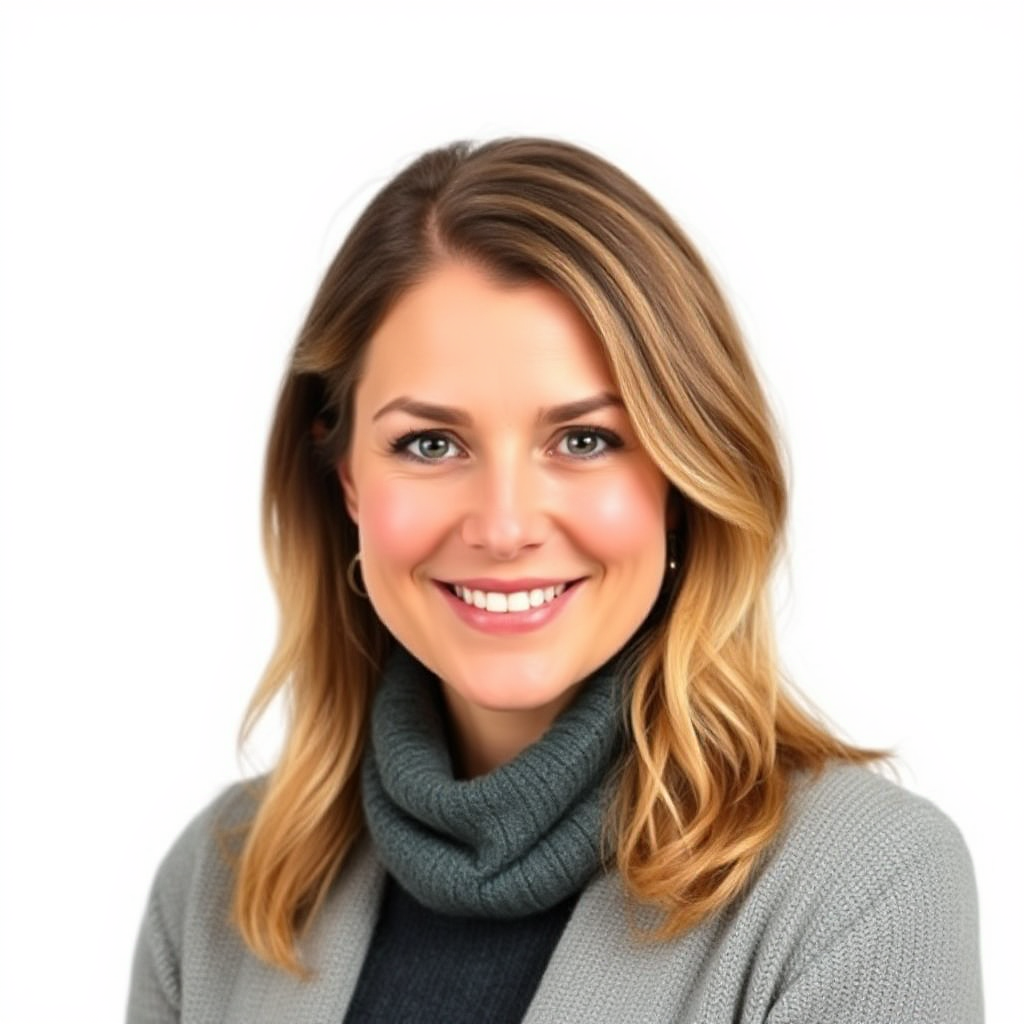
An unexpected discovery during a tube journey in 1988 transformed the path of a young Ghanaian immigrant to Britain. Scouted as a model, Edward Enninful was quickly drawn into the city's vibrant 1990s cultural landscape, moving from model to stylist and, by the age of 18, becoming the style editor of i-D magazine.
"That time was the height of the YBA movement – Jay Jopling, Tracey Emin. I met Kate Moss at a casting," he recalls. "Then Naomi Campbell for a cover, and I knew we’d be kindred spirits. We all hung out across disciplines. Friday became Saturday into Sunday. I miss that spontaneity."
Although Enninful appears wistful, he is not the only one. Lately, a wistful romanticisation of the 1990s has become pervasive. But in the intervening decades, Enninful feels a profound shift. "I feel, we’re less accepting now than we were in the 90s," he remarks. "The issue extends beyond this country – it’s worldwide."
A Cultural Backslide
This change is hard to ignore: the resurgence of populist movements, the backlash against social awareness, and the return of traditional beauty standards. Replacing the hope of the late 90s, now a different political figure appears as a potential leader. Even, the British flag, once an badge of cultural optimism, has become contentious again.
In Enninful's view, the response has always been to celebrate culture in all its diversity. This was the guiding principle behind his seminal issue as editor of British Vogue in 2017, which served as a snapshot of modern Britain, including a wide range of prominent faces from music.
"People with a voice should use it," he says, explaining those editorial decisions. "People often debate about immigration; I could not have had this life if Britain hadn't been a welcoming country, if it did not offer my family a refuge and an opportunity. That’s the Britain I cherished. I believe this phase will pass."
A New Wave of Consciousness
He draws solace in the youth of today: "Their awareness is greater than we were. They talk about systemic issues – I had no concept what that was."
His formative years would define a groundbreaking career built on fearlessness and representation. Enninful set a precedent as the first male, first Black editor, first openly gay person, and first disabled gay man of colour to assume the editorship at British Vogue. His time featured diverse covers showcasing models of colour, curvy models, an octogenarian, and individuals from all walks of life. Critically, sales increased.
"To overlook large portions of the population, it’s not just that you’re excluding people – it’s commercially unwise," he explains.
Launching a Creative Venture
He has established his creative company EE72 and its flagship publication, 72, his first major project since departing his previous role. He says he wants to continue being a "disruptor".
"I’ve always questioned the established norms. I was born and raised in a place where Black professionals were the norm – the physicians, the attorneys, the leader. Then we arrived in England, with nothing, and I found myself on the margins. I was very shy. My teachers said I’d never amount to anything. Me and my brothers were stopped by the police the suspicion laws … this duality gave me a dual identity both an insider and outsider."
Defying the caricature of fashion editors as loud and temperamental, Enninful is softly spoken and projects peace. His life has not been immune to adversity, including openly discussed struggles with mental health and substance use.
He has also endured significant health challenges, having had multiple operations on his eyes, leading to impaired eyesight. "I endured such a difficult period for two years, away from work, anxious I was going to go blind. It’s similar to PTSD; you just live in fear 24/7. I vowed, if this ever is over, I’m just going to pursue all that I was so scared to do. I’m not going to limit myself to just being an editor or a fashion person."
A Foray into Curation
This refusal to be typecast has inspired him away from the industry that built his career. He is now putting together a significant 1990s exhibition at Tate Britain, featuring work by a roster of pivotal artists and photographers from the era. The show, he notes, aims to capture the decade's artistic collaboration – and highlight those who weren't given adequate attention at the time.
"The establishment often failed to celebrate the right artists because they did not have the traditional credentials," he states.
This project itself operates on a different business model, eschewing traditional advertising in favour of integrated partnerships. "We ask, what can we achieve in partnership? Is it an event, a series? The magazine is one component of a greater ecosystem."
An Unstoppable Drive
Now, Enninful operates as one of the world's most respected industry leaders. His story, he states, is a testament to the power of defying expectations.
What would the Enninful of that era react to the Edward of today? He chuckles. "He’d be in shock, but he’d be pleased. In those days I was a rebel. I would not have believed institutions like Tate were a place for someone like me."
He reflects. "Nothing is assumed. We fled, we left our homeland. I nearly lost my vision. So fear is not a factor. People have counted me out my whole career. But I am unstoppable once I’ve made up my mind to do something."


